

Which Strapping Material is Best for Your Business? A Complete Guide
Views:39Publish Time: 2026-08-21
In today's fast-paced supply chain environment, efficient packaging and cargo protection are paramount. Choosing the right strapping material directly impacts load stability, operational efficiency, and overall shipping costs.
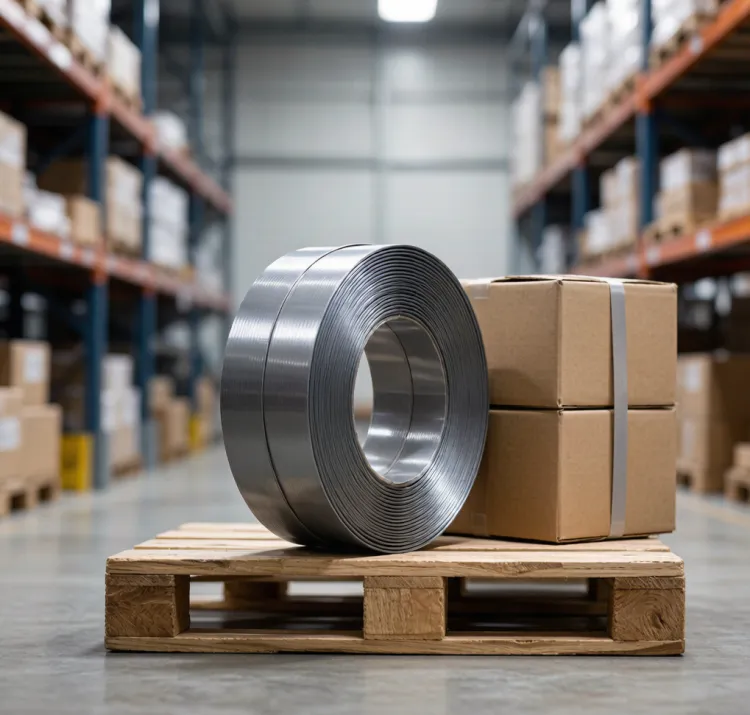
At Tpacktool, we engineer high-performance packaging solutions to help businesses find the exact strapping material for their transport requirements. Here is a guide to help you select the ideal strapping type for your operations.
Why the Right Strapping Matters
Strapping is essential for bundling packages, stabilizing palletized loads, and securing heavy industrial goods during storage and transit. Choosing the correct material ensures your items arrive safely at their destination, minimizing product damage, reducing costly returns, and preserving your brand reputation.
Overview of Common Strapping Materials
Different shipping requirements demand specific material characteristics. Tpacktool provides a full range of high-quality strapping options tailored to various load profiles:
Polypropylene (PP) Strapping:
Pros: Extremely lightweight, cost-effective, highly flexible, and easy to apply.
Cons: Lower tensile strength compared to industrial-grade alternatives.
Best For: Light to medium-duty bundling, carton sealing, and high-speed everyday warehouse operations.
Polyester (PET) Strapping:
Pros: Exceptional tensile strength, superior long-term tension retention, and high resistance to moisture and UV radiation.
Cons: Higher initial cost compared to polypropylene.
Best For: Heavy-duty palletizing, medium-to-heavy industrial loads, and outdoor storage or long-haul transport.
Steel Strapping:
Pros: Maximum tensile strength, extreme durability, and heat resistance for ultra-heavy industrial loads.
Cons: Heavier to transport, non-recyclable in standard plastic streams, and poses sharp-edge handling risks for operators.
Best For: Extreme industrial applications, raw metals, concrete blocks, and heavy machinery.
Composite Strapping:
Pros: Combines polyester fibers with a protective polypropylene coating; strong, flexible, lightweight, and weather-resistant.
Cons: May require specific tensioning tools for optimal application.
Best For: Irregular cargo, heavy-duty applications requiring shock absorption, and high-tension bundling with minimal added weight.
Essential Factors When Choosing Strapping
When selecting the ideal strapping solution for your facility, consider these core operational factors:
Load Weight & Sharpness: Match the material’s break strength to your average load weight. Heavy or sharp-edged loads demand PET or steel, whereas standard corrugated boxes need light PP strapping.
Storage & Transit Environment: If your products face outdoor exposure, direct sunlight, or moisture during transit, choose UV-resistant materials like PET or Composite strapping.
Application Tools & Automation: Ensure your chosen strapping material is fully compatible with your current setup—whether you use manual hand tools, semi-automatic dispensers, or fully automated Tpacktool strapping machines.
Optimize Your Packaging Strategy with Tpacktool
Investing in the correct strapping material enhances packaging efficiency, lowers material waste, and safeguards your goods every step of the way. Whether you need budget-friendly PP strapping for high-speed packing or heavy-duty PET strapping for industrial freight, choosing the right material ensures safe and reliable delivery.
Ready to find the perfect strapping solution for your business? Contact the packaging experts at Tpacktool today to explore our full line of strapping materials and machinery!