

How to Choose the Right Steel Strapping Roll for Industrial Packaging
Views:13Publish Time: 2026-10-28
When securing ultra-heavy, rigid, or high-density cargo, choosing the correct steel strapping roll is essential to maintaining load stability, meeting transit safety standards, and preventing freight damage. With various steel grades, surface finishes, and coil configurations available, selecting the ideal strapping profile requires evaluating your specific operational demands.
At Tpacktool, we supply high-tensile steel strapping rolls and heavy-duty banding tools designed to ensure uncompromised cargo security across global supply chains.
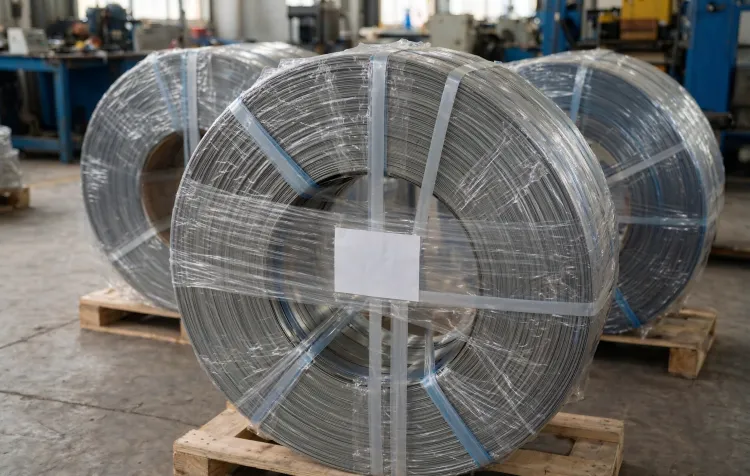
Key Factors for Selecting Steel Strapping Rolls
1. Select the Proper Steel Finish & Surface Coating
Uncoated / Plain Steel Strapping: Best for indoor storage or short-transit applications where moisture and weather exposure are minimal.
Painted & Waxed Steel Strapping: Features a protective enamel coating that resists rust, corrosion, and UV exposure during outdoor yard storage. The waxed finish reduces friction, allowing higher tension transmission around sharp cargo corners.
2. Determine Required Strap Width and Thickness
Steel strapping dimensions dictate total break strength and load distribution:
Standard Dimensions: Widths typically range from 1/2" (12.7 mm) to 1-1/4" (31.75 mm), with thickness varying from 0.015" to 0.050".
Selection Rule: Medium-duty palletized loads require narrower, thinner gauges, while ultra-heavy goods—such as steel coils, timber packs, and concrete blocks—demand wide, heavy-gauge Tpacktool steel banding.
3. Calculate Required Break Strength & Safety Margins
Break strength is the maximum load force strapping can endure before snapping. Always select a steel strapping roll with a break strength rating that comfortably exceeds the total dynamic weight of your cargo to absorb sudden transit shocks and sudden stops.
4. Match Coiling Type to Operational Workflow
Ribbon Wound Coils: Strapping is wound on top of itself in a single-width ribbon, creating lighter coils ideal for manual handling and low-volume packaging stations.
Oscillated (Mill) Wound Coils: Strapping is cross-wound across a wider core, containing up to three times more footage per coil to minimize roll-change downtime on high-volume production lines.
5. Pair with Compatible Packaging Tools & Accessories
Achieving maximum strap tension and joint efficiency requires matching your steel strapping roll with appropriate tooling:
Manual & Pneumatic Tensioners: Ensure high, repeatable tensioning across flat or round surfaces.
Sealless Tools vs. Metal Seals: Modern Tpacktool A333 sealless steel tools interlock strap ends directly to eliminate separate seal costs, while traditional sealers utilize heavy-duty metal crimp seals.
Optimize Your Cargo Security with Tpacktool
Selecting the right steel strapping roll protects your valuable shipments, improves packaging line efficiency, and minimizes transit liabilities.
Ready to upgrade your heavy-duty packaging line? Explore the complete selection of steel strapping rolls, manual tensioners, and pneumatic tools at Tpacktool today, or contact our technical team for expert guidance!